
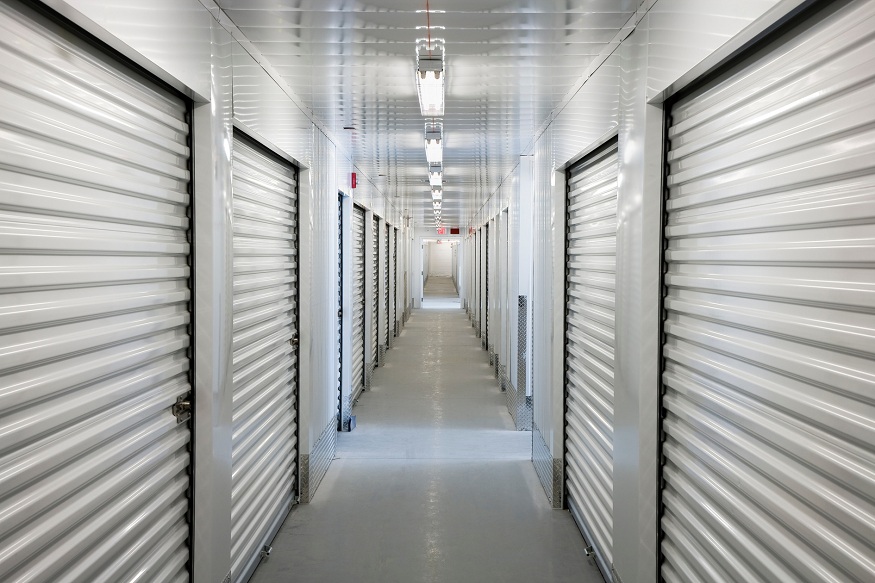
Every month, storage facilities deal with the same headache. Renters vanish. They stop paying, stop calling, and stop showing up. Meanwhile, their stuff sits there, locked away and gathering dust. The facility can’t just toss everything in a dumpster, though. There is a whole legal dance they need to follow, with specific rules about timing, notices, and what happens to all that abandoned property.
The Payment Problem Begins
Storage places run on a pretty basic setup. You rent a unit, you pay each month. Simple enough. But then reality hits. A man is fired and struggles to afford his rent. A family moves cross-country and forgets about that old unit back home. Or someone’s automatic payment fails and they don’t notice for months.
The facility manager usually gives it a few days. No point in panicking over a payment that’s two days late. A quick phone call often fixes everything. But what about the folks who don’t answer? That’s when things get interesting.
Legal Steps and Timelines
Here’s where state laws come into play, and they vary. California says wait 14 days after a missed payment. Texas? Ten days. New York has its own rules. Once that waiting period passes, out goes the certified letter. The letter spells everything out. How much you owe. The late fees are piling up. And the big warning: pay up or we’re selling your stuff. Most renters get 30 to 45 days from that letter. That’s their window to fix things.
Storage managers turn into record-keeping machines during this time. Every phone call gets logged. Each letter gets copied. They snap photos of those certified mail receipts. Why all the fuss? Because if someone comes back six months later claiming they never got notice, the facility better have proof.
The Auction Process Takes Shape
The deadline passes. No payment, no contact. Now what? Time for storage auctions. The old days meant crowds gathering at the facility, bidding in person. Today, companies like Lockerfox have brought the whole thing online, connecting facilities with buyers through digital platforms that make everything faster and more transparent.
First, someone cuts the lock. The manager peeks inside but can’t touch anything. No digging through boxes or moving furniture around. They snap a few photos from the doorway; whatever’s visible goes online. Bidders see these photos and take their chances. It could be a unit full of designer furniture. Could be garbage bags full of moldy clothes. Nobody knows until they win and start digging through everything. Winners pay right away, then they have 24 to 48 hours to empty that unit completely.
Financial Recovery and Resolution
So where does the auction money go? First, it covers the back rent. Then come the auction expenses like advertising and processing. Legal fees get paid next if lawyers got involved. If there’s money left over, the facility can’t keep it. They hold onto those extra funds, sometimes for an entire year. The original renter can come back and claim it. It doesn’t happen often, but the law’s the law.
What if the auction brings in less than what’s owed? Most facilities absorb the loss. Chasing after someone who already couldn’t pay rent rarely makes financial sense. The paperwork alone costs more than they would recover.
Conclusion
Nobody wants things to reach this point. Facilities would rather have paying customers than empty units and auction hassles. Renters certainly don’t want their belongings sold to strangers. However, this procedure is activated when communication ceases and payments are halted. It balances fairness for all with the ongoing needs of the business. The key is knowing how it all works before you find yourself on either side of that locked door.