
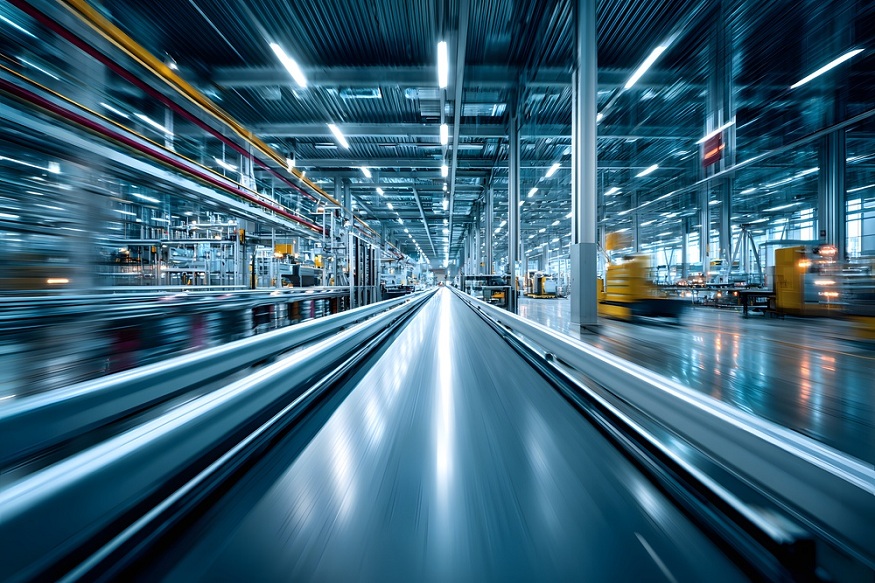
On any factory floor, the first things you’ll notice are robots, conveyor belts, and workers. However, the true marvel lies in elements you’re likely to overlook. Lubricants stop gears from grinding. Solvents remove gunk that could cause jams. Coolants prevent drill bit melting. These chemicals keep factories running.
The Speed Enablers
Efficient machines require proper chemistry. Friction occurs when metal parts rub together. Friction makes heat. Heat causes part warping and tolerance issues. Therefore, specialized lubricants are circulated by factories to all bearings, gears, and slides. These formulas handle extreme pressures.
Then there’s the heat problem. Have you ever touched a drill bit after it’s been used to drill through steel? Don’t—you’ll need a trip to the emergency room. Excessive heat from metal cutting can change its structure. Coolants flood cutting zones, carrying heat away before damage occurs. They also wash out metal chips that would otherwise scratch finished products. Big factories move thousands of gallons through their equipment every single day.
Beyond Basic Chemistry
Today’s factory chemicals pull double or triple duty. Nobody wants single-purpose products anymore when something else can do three jobs at once. Metalworking fluids show how far things have come. They keep drill bits slick, but there’s more. They prevent bacterial spoilage of the fluid, and they include rust blockers so freshly cut parts don’t turn orange before assembly. Some even help metal chips clump together and sink, making cleanup way easier. One chemical, four jobs.
Surface treatments have gone wild with innovation, too. Factories dip parts into chemical baths that deposit impossibly thin layers of protection. The bottom layer grabs onto the base metal like crazy. The middle layer flexes without cracking, and the top layer laughs at scratches and water spots. All this happens in about thirty seconds per part.
Meeting Modern Standards
Nobody dumps toxic waste anymore, at least not legally. Neighbors report smells faster now, with the EPA monitoring closely. So chemical companies had to be creative. Trecora and similar companies now make industrial chemical solutions that actually work better than the nasty old stuff, without poisoning anybody. Water-based formulas have mostly replaced solvent-based ones that gave workers headaches. These newer chemicals break down naturally after use. Factories can often recycle the same batch of coolant for months, filtering out contaminants instead of starting fresh.
Money talks too. Hazardous waste disposal costs a fortune. One drum of the wrong chemical might cost more to throw away than it did to buy. But biodegradable alternatives? Those go down regular drains after proper treatment. Accountants love that.
The Innovation Pipeline
Labs cook up new formulas constantly because manufacturing keeps changing. Electric car batteries need chemicals pure enough for laboratory work. Computer chip factories require cleaners that remove particles you’d need a microscope to see. 3D printers use resins that harden instantly under special lights.
Temperature extremes really test chemists’ skills. Some aerospace processes happen near absolute zero, where nitrogen turns liquid. Others run so hot that steel glows cherry red. Regular chemicals either freeze solid or burst into flames at these temperatures. Yet somehow, chemists keep finding formulas that work. Machine speeds keep climbing, too. A lubricant that works great at highway speeds might foam up uselessly in a turbine spinning fifty times faster. Each jump in equipment capability needs matching improvements in chemistry.
Conclusion
When you next buy a factory-produced item, reflect on the chemical agents that enabled its creation. They maintained smooth operations by cooling tools, cleaning molds, and protecting surfaces. These indispensable chemicals will keep adapting to overcome new obstacles as factories become more efficient and products more sophisticated. Without their silent contributions, contemporary manufacturing would cease to exist.